Lighting defines the character of a space. In Dubai’s most exclusive residences, it operates as a fundamental design element. It shapes how people perceive room dimensions, textures, and colors. This approach considers technical innovation, artistic effect, and daily comfort.
Professionals treat light as a primary material for building atmosphere. Mastering this element is a key objective for practitioners of luxury interior design in Dubai.
Architectural Definition and Focus:
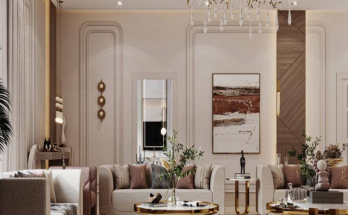
Light first serves to articulate a room’s structure. Designers position fixtures to reveal architectural intent. A linear LED strip grazes a wall of honed travertine, making the stone’s subtle texture visible. Carefully aimed recessed lights draw attention to a coffered ceiling or a sweeping archway.
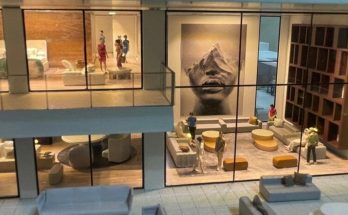
Statement fixtures, like a sculptural chandelier in a double-height foyer, establish scale and create a central visual point. This practice ensures the architecture itself commands respect and interest.
Layering Light for Purpose and Mood:
Effective schemes combine different types of light. Ambient sources provide a soft, general illumination. Task lighting addresses specific activities a directed lamp for reading, focused lights for kitchen countertops. Accent lighting adds depth and drama, using adjustable spots to highlight artwork or internal cabinet lighting to display collections.
Occupants adjust these layers to suit the time of day or occasion. Integrated control systems allow this shift from a vibrant setting for social gatherings to a subdued ambiance for quiet evenings.
The Influence of Technology and Control:
Advanced technology supports these lighting strategies. Programmable systems adjust color temperature, aligning artificial light with the sun’s natural progression. Motorized fixtures descend or retract, and dimmers operate with silent reliability.
This technology remains largely unseen, preserving clean lines and uncluttered surfaces. The effect feels intuitive, with light appearing to respond to the needs of the space and its inhabitants.
Material Interaction and Sensory Appeal:
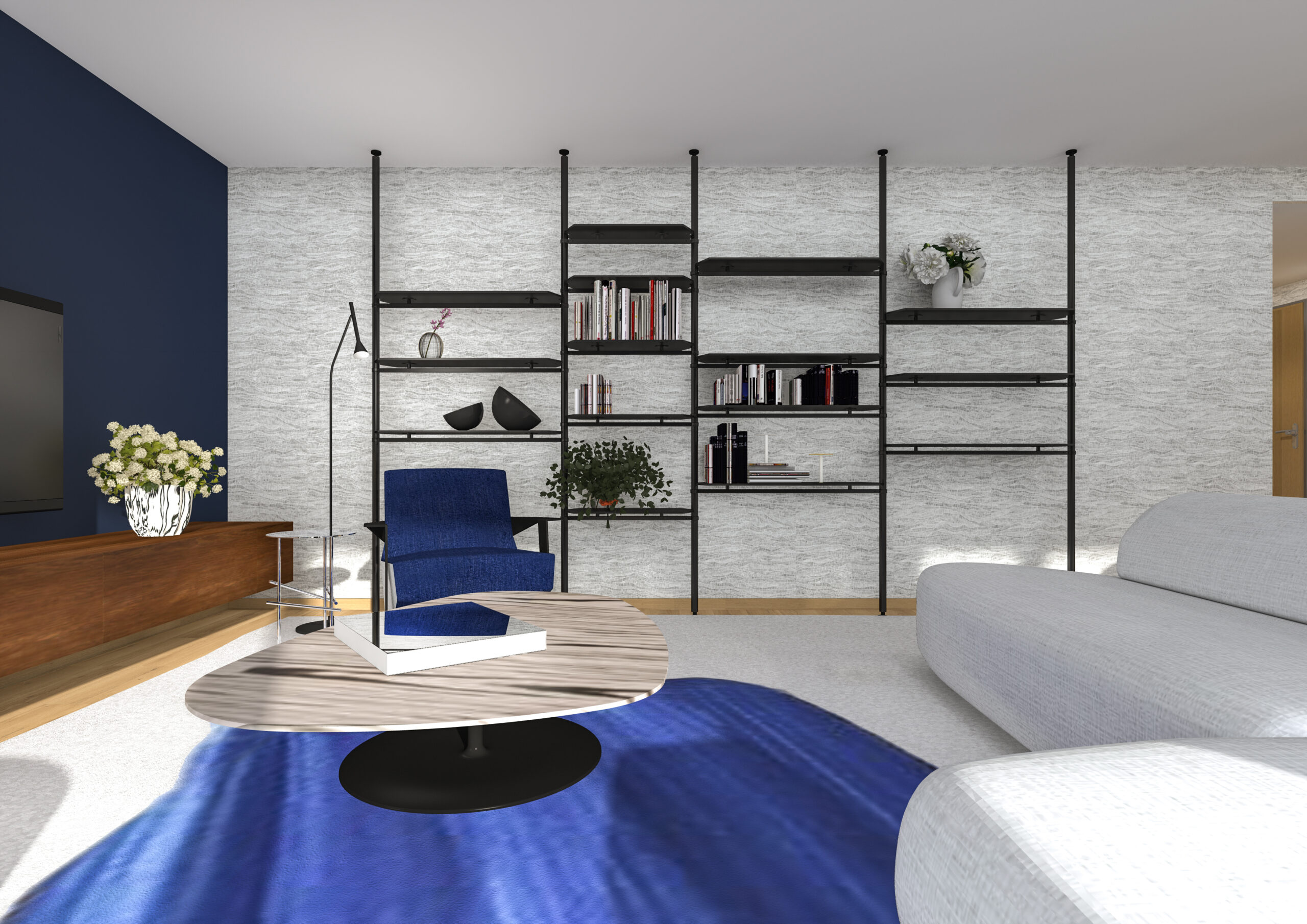
Lighting changes the appearance of finishes and furnishings. A well-placed beam makes the veins in a marble slab appear vivid. Backlit onyx panels emit a warm, inviting glow. Light reflecting off polished metal or crystal creates points of sparkle and interest. Designers use light to make selected materials look rich and detailed, which contributes to the overall sensory experience of the interior.
In a city known for its ambitious architecture and refined tastes, lighting completes the interior. It acts as the final, necessary layer that gives a space its unique atmosphere and functional clarity.